
Dr. Nirupa V
Founder · MDS, Prosthodontics & Implant Dentistry
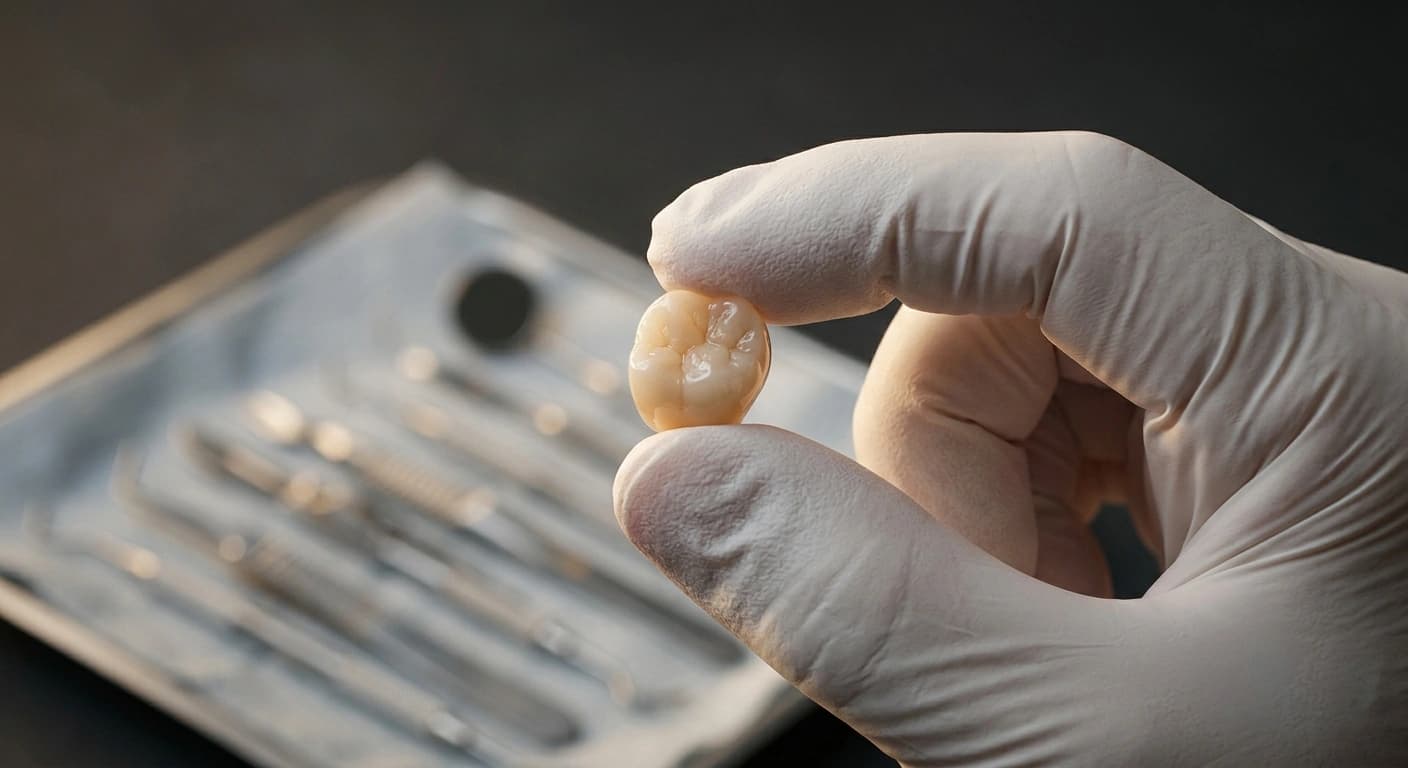
A dental crown is one of the most commonly placed restorations in dentistry. It covers and protects a weakened, damaged, or root canal-treated tooth. But how long should you expect a crown to last?
Average Lifespan
Studies published in the Journal of Prosthetic Dentistry report that well-made dental crowns have an average lifespan of 10–15 years, with many lasting significantly longer. A systematic review in the Journal of Dental Research found that the 10-year survival rate for single crowns ranges from 89% to 95%, depending on the material and location.
Factors That Affect Crown Longevity
- Material: metal-ceramic, all-ceramic, and zirconia crowns each have different wear and fracture characteristics.
- Location: crowns on molars endure greater chewing forces than those on front teeth.
- Bite forces: patients who clench or grind (bruxism) place additional stress on crowns and may benefit from a night guard.
- Oral hygiene: decay at the crown margin is one of the most common reasons for crown failure.
- Quality of preparation and cementation: the accuracy of the fit affects long-term seal integrity.
A 2015 meta-analysis in the International Journal of Prosthodontics found that secondary caries (decay at the margin of the crown) accounted for approximately 30% of crown failures. Maintaining good oral hygiene around crowned teeth is one of the most effective ways to extend their lifespan.
Signs a Crown May Need Replacement
- A visible dark line at the gum margin (common with older PFM crowns).
- A crack or chip in the ceramic.
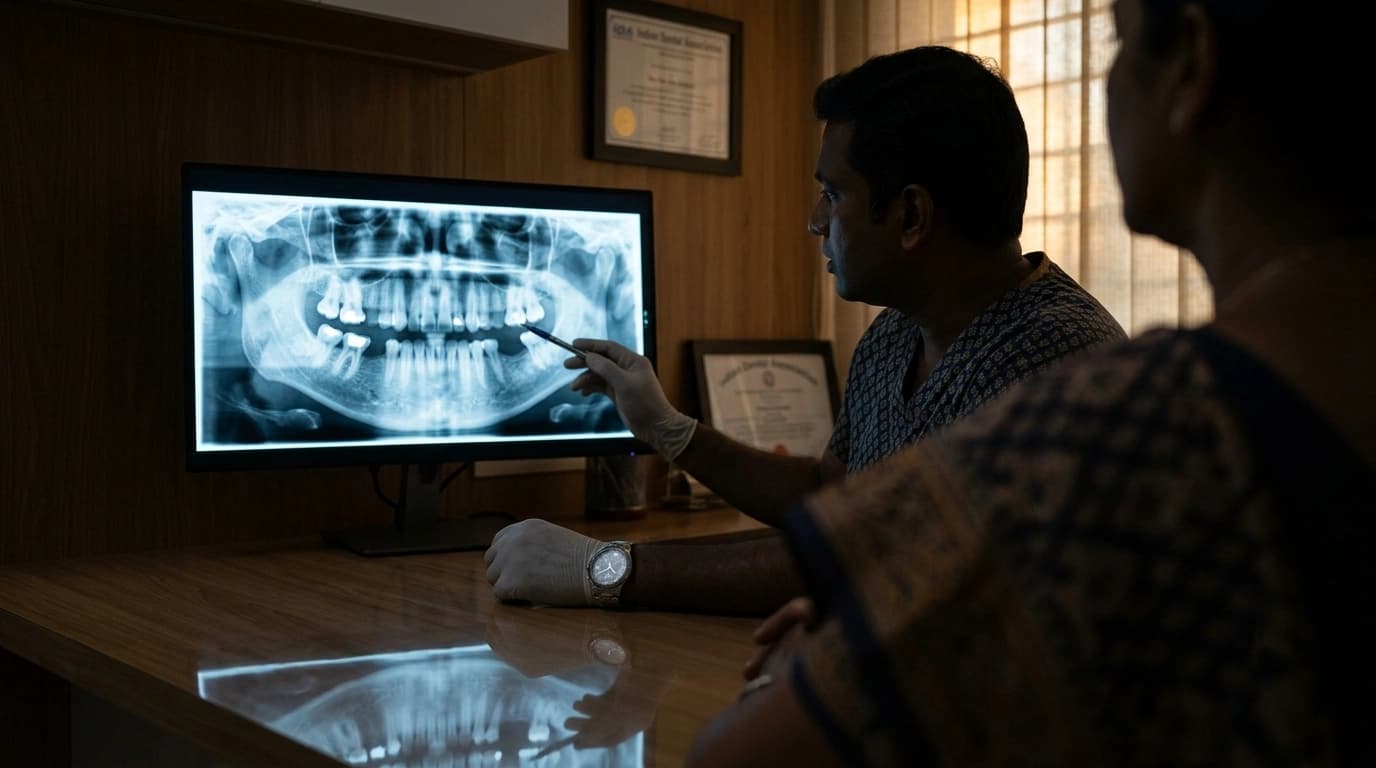
- Recurrent decay detected at the crown margin on an X-ray.
- Looseness or a change in how the crown feels when biting.
- Gum recession exposing the crown edge.
How to Extend Crown Lifespan
Regular dental check-ups allow early detection of problems before they lead to failure. Flossing around crowns, using fluoride toothpaste, and wearing a night guard if you grind your teeth are all evidence-based measures that help crowns last longer.
References
- 1.Pjetursson BE, et al. A systematic review of the survival and complication rates of all-ceramic and metal-ceramic reconstructions. Clinical Oral Implants Research. 2007;18(Suppl 3):97–113.
- 2.Sailer I, et al. All-ceramic or metal-ceramic tooth-supported fixed dental prostheses (FDPs)? A systematic review. Journal of Dental Research. 2015;94(9 Suppl):128S–139S.
- 3.Tanner J, et al. Dental Ceramic Materials. Dental Materials. 2018;34(1):43–51.