
Dr. Nirupa V
Founder · MDS, Prosthodontics & Implant Dentistry
Full mouth rehabilitation (also called full mouth reconstruction) is a comprehensive treatment plan that addresses multiple dental problems simultaneously — rather than treating each tooth in isolation. It typically involves a combination of restorative, prosthodontic, and sometimes surgical procedures.
When Is It Considered?
- Multiple teeth are severely worn due to bruxism, erosion, or attrition.
- Several teeth are damaged, decayed, or missing across both arches.
- The bite (occlusion) has collapsed or shifted significantly.
- Existing dental work (old crowns, bridges, fillings) has failed or is deteriorating.
- Jaw pain or TMJ symptoms are related to bite instability.
What Does It Involve?
A full mouth rehabilitation plan may include any combination of crowns, bridges, implants, veneers, onlays, root canal treatments, extractions, bone grafting, and gum treatment. The specific procedures depend entirely on the individual’s clinical needs.
The critical step is the treatment planning phase. Before any work begins, the bite is analysed, often using diagnostic wax-ups or digital planning, to determine the ideal position and shape of the teeth in the final result.
The Journal of Prosthetic Dentistry notes that successful full mouth rehabilitation depends as much on accurate diagnosis and treatment planning as on the technical execution of individual procedures. The sequence and staging of treatment directly affect the outcome.
The Planning Process
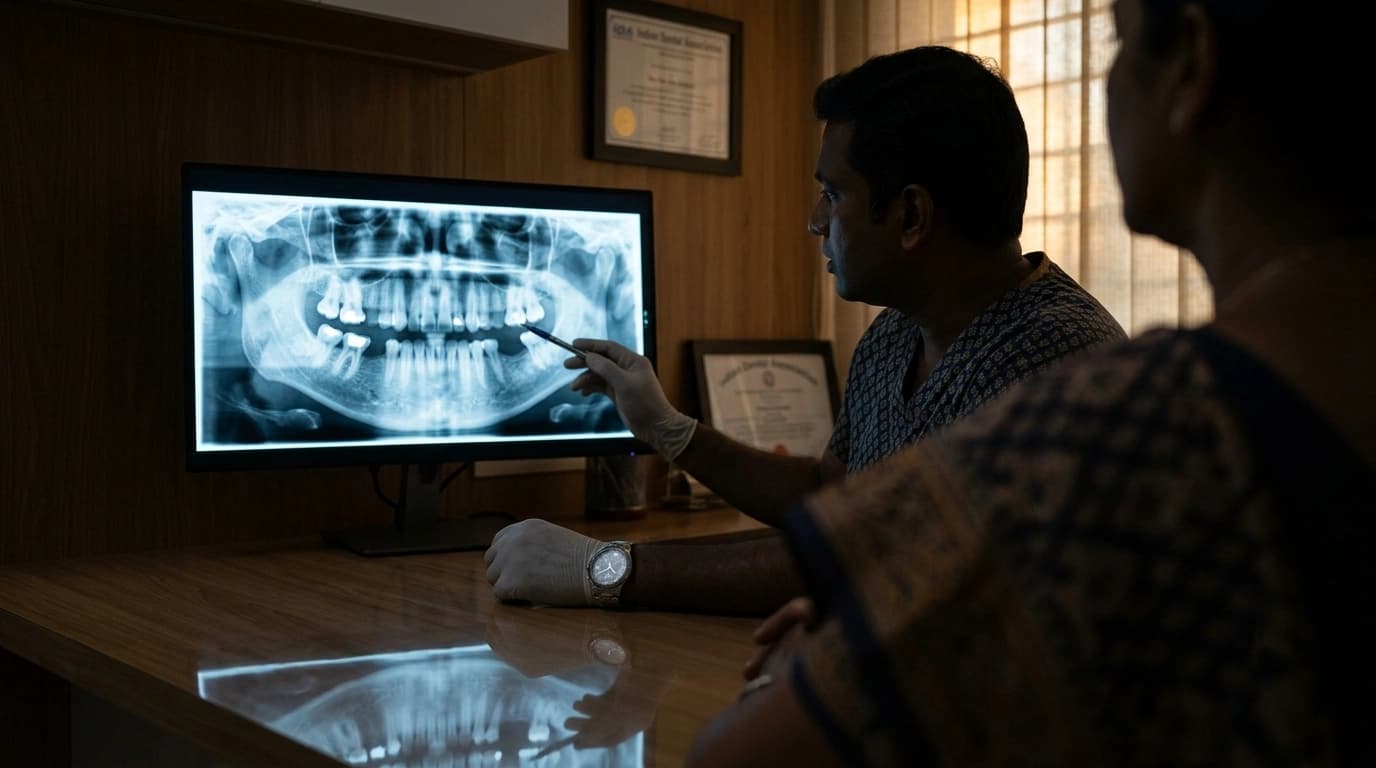
- Comprehensive clinical examination and full-mouth radiographs.
- Bite analysis with mounted study models or digital scans.
- Diagnostic wax-up or digital mock-up of the proposed result.
- Phased treatment plan with clear sequence and timeline.
- Discussion of material choices, expected outcomes, and maintenance needs.
How Long Does It Take?
Full mouth rehabilitation is not completed in a single visit. Depending on complexity, the treatment may span several months to over a year, with procedures staged to allow for healing, adjustment, and evaluation between phases.
Is It Right for You?
Full mouth rehabilitation is appropriate when individual restorations cannot address the overall functional and structural problems. It requires a significant commitment of time and investment, but for patients with extensive dental needs, it offers an opportunity to restore function, comfort, and appearance in a coordinated way.
References
- 1.Abduo J, Lyons K. Clinical considerations for increasing occlusal vertical dimension: a review. Australian Dental Journal. 2012;57(1):2–10.
- 2.Turner KA, Missirlian DM. Restoration of the extremely worn dentition. Journal of Prosthetic Dentistry. 1984;52(4):467–474.
- 3.Tjan AH, Miller GD. The JGP. Some esthetic factors in a smile. Journal of Prosthetic Dentistry. 1984;51(1):24–28.