
Endodontics & Direct
Restorative Dentistry
When teeth are damaged by decay, infection, or fracture, the right treatment can save them. Our endodontic and direct restorative services focus on preserving your natural teeth using precise techniques, quality materials, and a conservative approach.
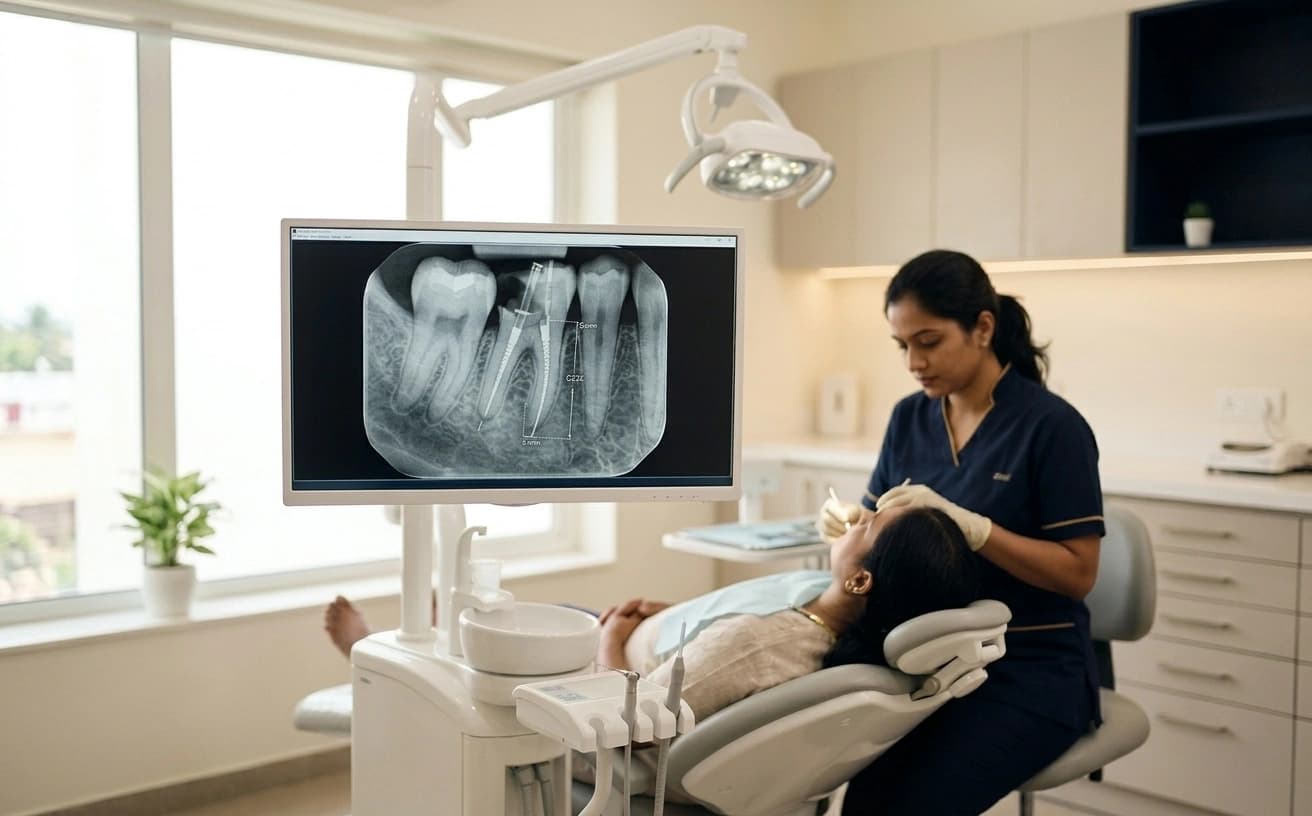
Root Canal Treatment
Painless root canal therapy that saves infected teeth - performed with precision instruments and gentle technique.
A root canal becomes necessary when the soft tissue inside your tooth - the pulp - becomes infected or inflamed due to deep decay, cracks, or trauma. Left untreated, the infection can spread, cause severe pain, and eventually lead to tooth loss. The procedure involves removing the infected pulp, carefully cleaning and shaping the root canals, disinfecting them thoroughly, and sealing them to prevent reinfection.
We use rotary endodontic systems with nickel-titanium files that are more flexible, more precise, and far gentler than traditional hand instruments. Combined with electronic apex locators for accurate measurement of canal length, this means less time in the chair and better outcomes. Most importantly, modern root canal treatment should not be painful.
With effective local anaesthesia and a careful, unhurried approach, the majority of our patients report that the procedure was far more comfortable than they expected.
What This Involves
- Rotary Endodontic Systems
- Nickel-Titanium Files
- Electronic Apex Locators
- Rubber Dam Isolation
- Calcium Hydroxide Dressing
- Thermoplastic Obturation
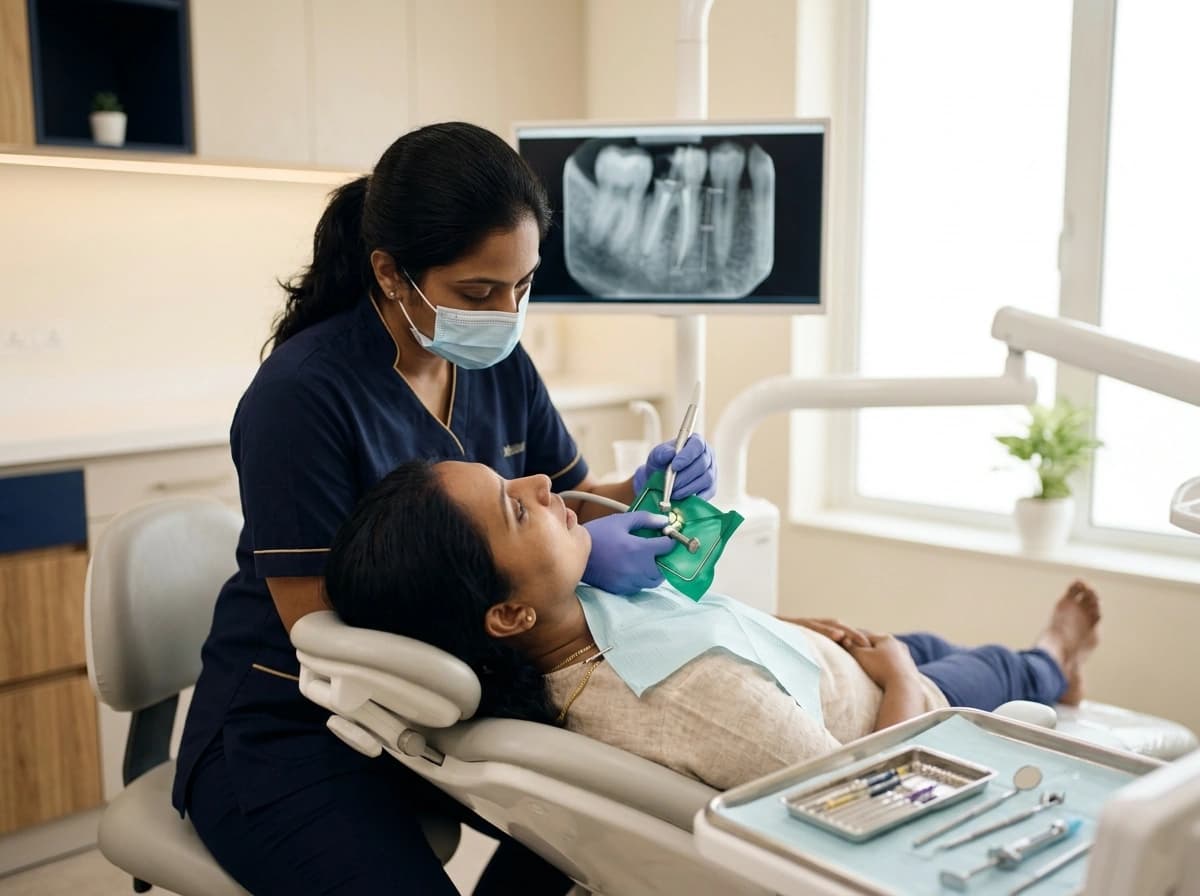
Root Canal Re-treatment
Specialist re-treatment for previously treated teeth that have developed new symptoms or persistent infection.
A root canal treated tooth can sometimes develop problems months or even years after the original treatment. This may happen due to new decay reaching the root canal filling, a missed or untreated canal, an inadequate seal, or a crack that developed after the original procedure. Root canal re-treatment involves carefully removing the previous filling material, re-cleaning and reshaping the canals, identifying any missed anatomy, and resealing the tooth.
Re-treatment cases are often more complex than first-time root canals, requiring additional skill, patience, and precision. With the right approach, many teeth that might otherwise need extraction can be given a second chance.
What This Involves
- Previous Filling Removal
- Missed Canal Identification
- Ultrasonics for Post & Obstruction Removal
- Advanced Disinfection Protocols
- Re-Obturation Techniques
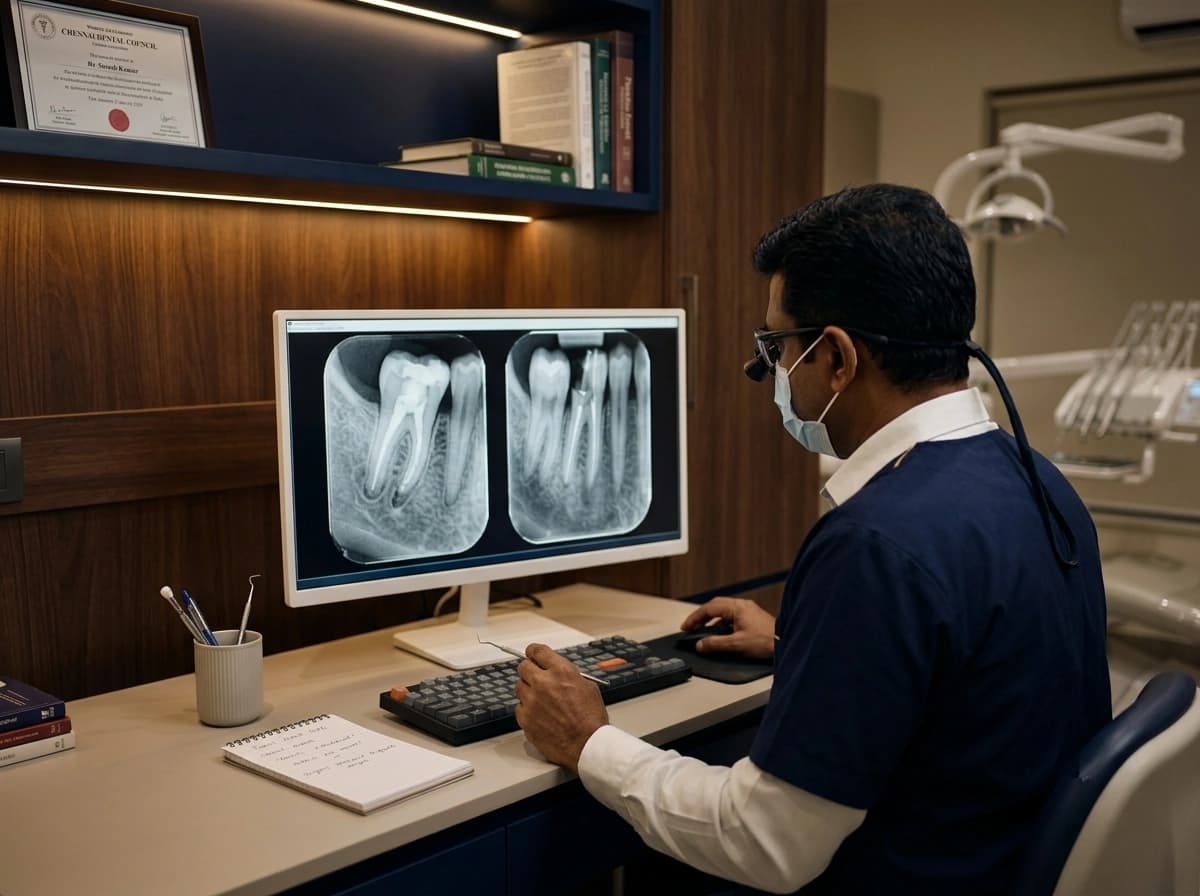
Direct Composite Restorations
Tooth-coloured fillings and direct restorations that repair decay and damage while preserving healthy tooth structure.
When a tooth is damaged by decay or minor fracture, a direct composite restoration can repair it in a single visit. Using tooth-coloured composite resin that bonds directly to the tooth, we rebuild the damaged area layer by layer, matching the shade precisely to your natural enamel. Modern composites are strong, durable, and virtually invisible once polished.
The key to a lasting result is technique - proper isolation, careful layering to minimise shrinkage stress, and precise shaping to restore natural tooth anatomy. We take a conservative approach, removing only what is necessary and preserving as much healthy tooth structure as possible.
What This Involves
- Composite Resin Fillings
- Shade-Matched Layering
- Adhesive Bonding Protocols
- Glass Ionomer Restorations
- Rubber Dam Isolation
- Incremental Layering Technique
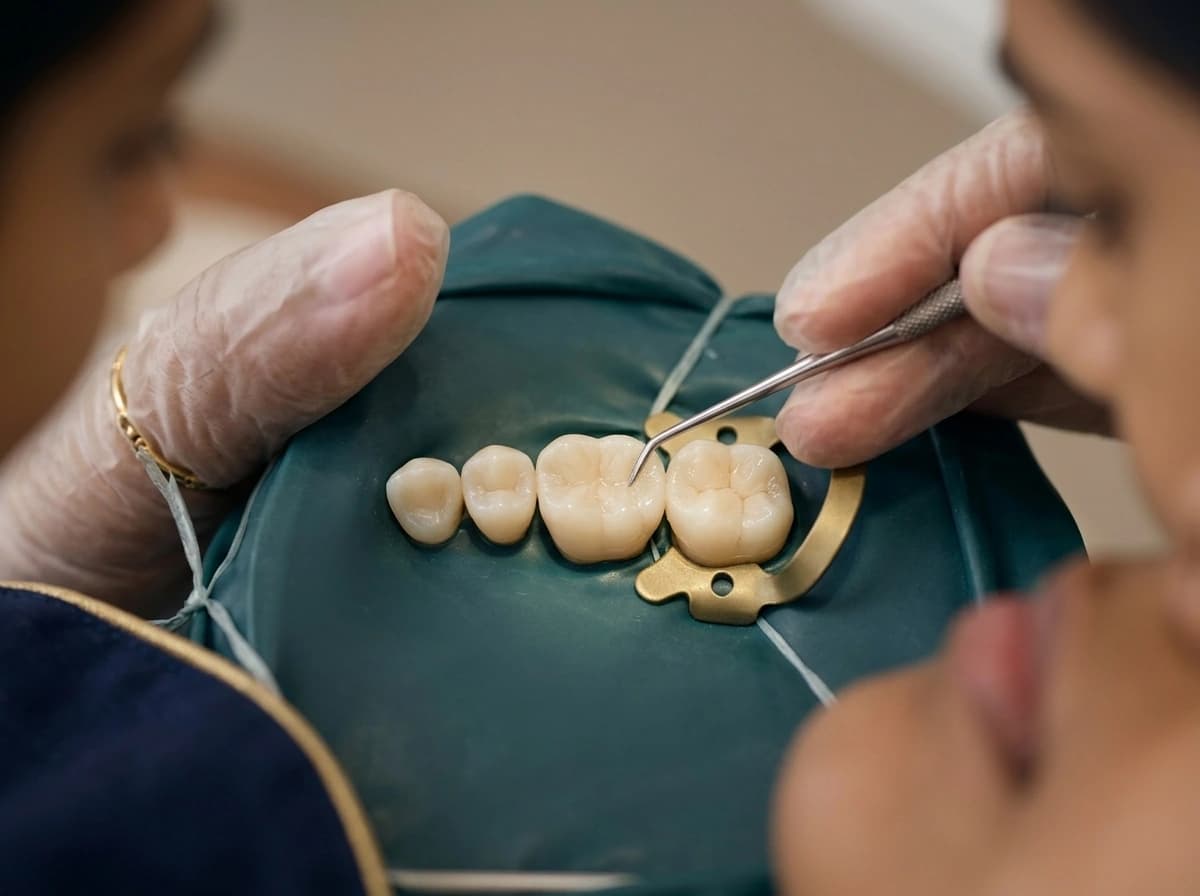
Post & Core Restorations
Foundation restorations for root canal treated teeth that need additional support before a crown is placed.
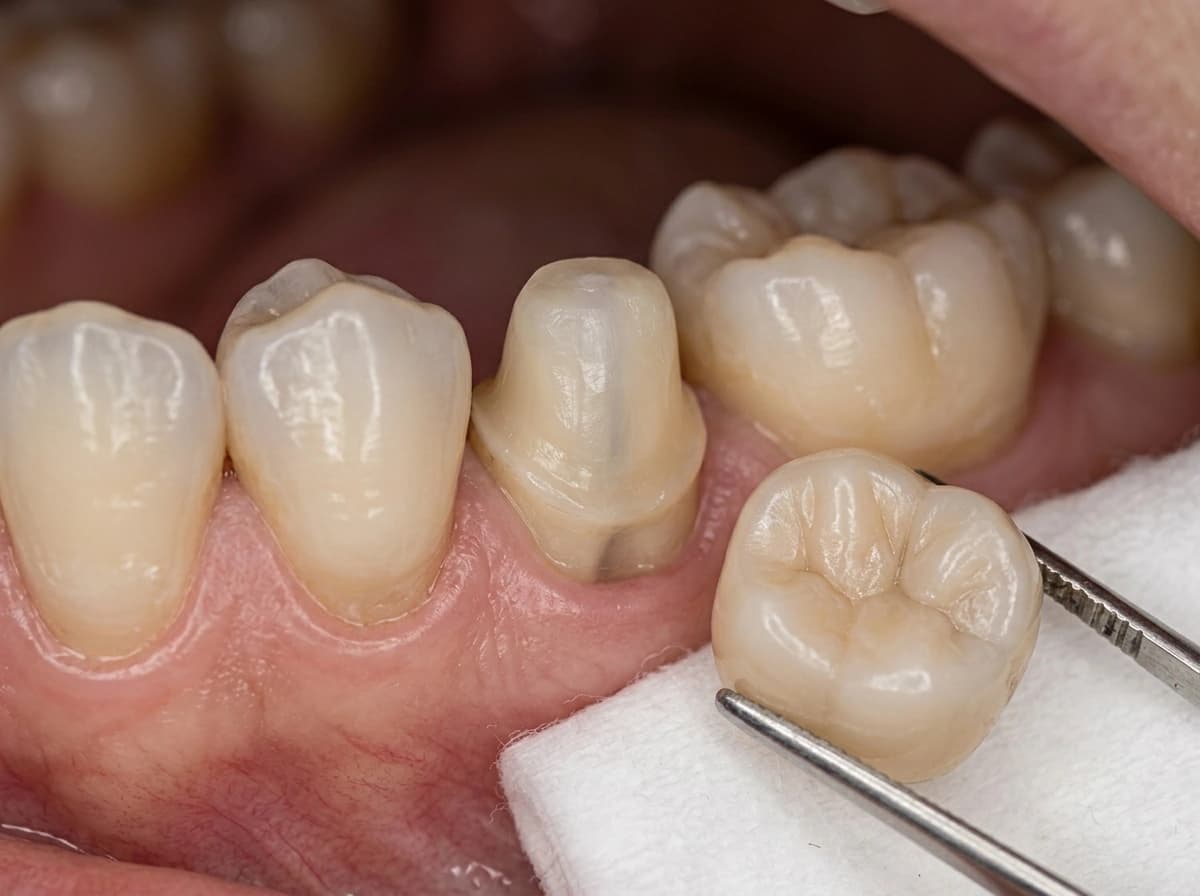
After root canal treatment, a tooth often needs a foundation restoration before it can receive a crown. This is especially true when significant tooth structure has been lost to decay, fracture, or the access cavity itself. A post is placed into the root canal space to provide retention, and a core buildup is constructed around it to create a stable foundation for the final crown.
The choice of post material - fibre, metal, or cast - depends on the amount of remaining tooth structure, the tooth's position, and the forces it needs to withstand. Getting this foundation right is critical to the long-term success of the final restoration.
What This Involves
- Fibre Post Placement
- Metal Post & Core
- Cast Post & Core
- Core Buildup Materials
- Adhesive Cementation
- Foundation Assessment
Why Bridges & Canals
What sets our endodontics & direct restorative dentistry apart
Specialist Endodontic Care
Root canal treatments performed with specialist-level precision, including complex and retreatment cases.
Rotary Endodontics
Advanced nickel-titanium instruments for faster, gentler, and more precise root canal treatment.
Conservative Philosophy
We preserve maximum natural tooth structure, using the least invasive approach that achieves a predictable result.
Comfortable Experience
Effective anaesthesia and an unhurried approach - most patients say root canal was far easier than expected.
Explore Our Other Services
Preventive, General & Paediatric Dentistry
Routine and preventive dental care focused on maintaining healthy teeth, identifying problems early, and building positive dental habits from childhood.
View TreatmentsProsthodontics & Indirect Restorative Dentistry
Custom-crafted crowns, bridges, veneers, and dentures that restore damaged or missing teeth with precision-fitted, natural-looking results.
View TreatmentsAesthetic & Cosmetic Dentistry
Elective treatments designed to improve the colour, shape, and overall appearance of your smile using conservative, proven techniques.
View TreatmentsDental Implants & Implant Rehabilitation
Permanent, natural-feeling solutions for replacing missing teeth — from single implants to full arch rehabilitation.
View Treatments